Investor Relations
Presentation script
Takayoshi Miyamoto (hereinafter, Miyamoto):
My name is Takayoshi Miyamoto, President and Representative Director of Tokyo Electron Device Limited. Thank you very much for taking the time out of your busy schedules to attend our financial results briefing today.
Today, I will present an overview of our financial results for the fiscal year ended March 31, 2026, as well as our forecast for the fiscal year ending March 31, 2027.
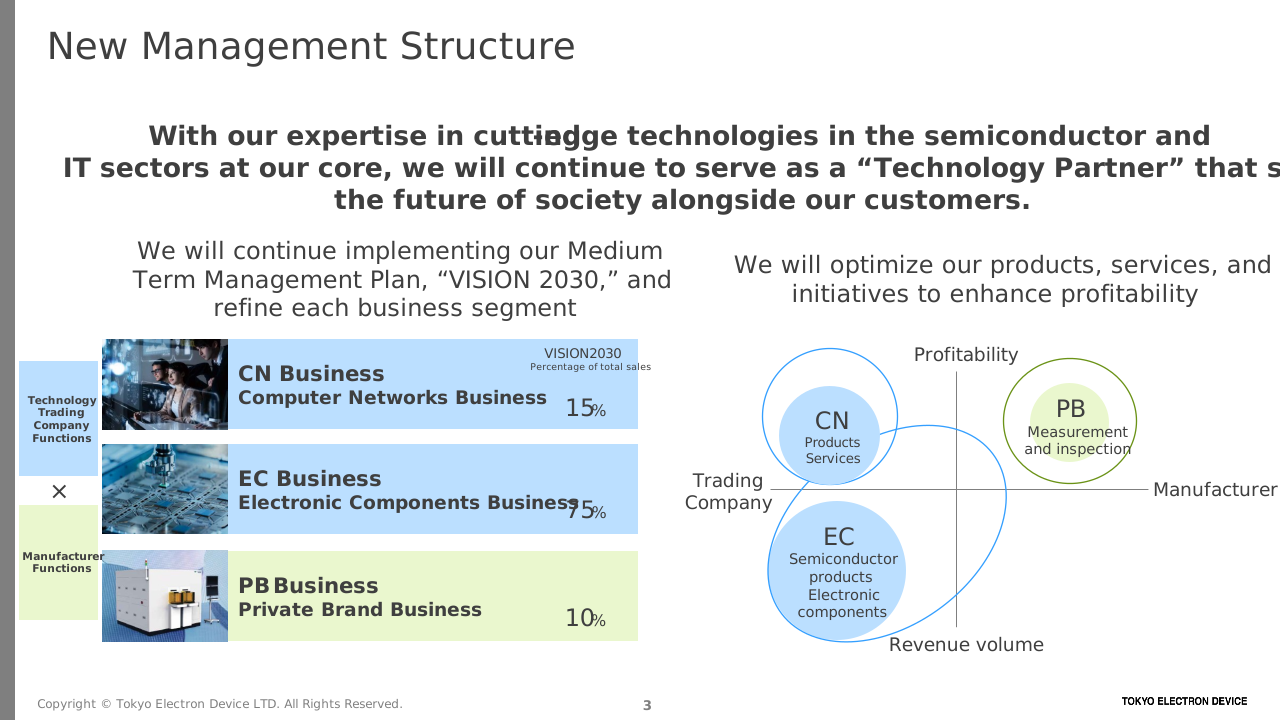
From April 1, 2026, we transitioned to a new management structure. I would like to begin by explaining the policy underlying this transition.
Our company is a technology trading company specializing in semiconductors and IT. In order to provide products and services that create value for our customers and society beyond them, placing emphasis on technology is essential.
In addition, in delivering such technology, we believe that both organizational capabilities and the development of human resources that constitute the organization play a critical role. This policy has already been articulated in our Medium-Term Management Plan, VISION 2030.
In transitioning to the new structure, we are not considering any sudden or drastic pivots. As shown on the left-hand side of the slide, we will continue to strengthen and refine each of our businesses.
Under VISION 2030, improving profitability is positioned as a key pillar.
In the CN business, we aim to expand the business by increasing our customer base while maintaining current profitability levels.
In the EC business, we plan to gradually enhance profitability through changes to our portfolio and service offerings.
In the PB business, we will expand our business scale by broadening the scope of our in-house products and increasing our customer base.
Through the combination and integration of these three businesses, we aim to further enhance profitability.
Let me move on to our financial results for the fiscal year ended March 31, 2026.
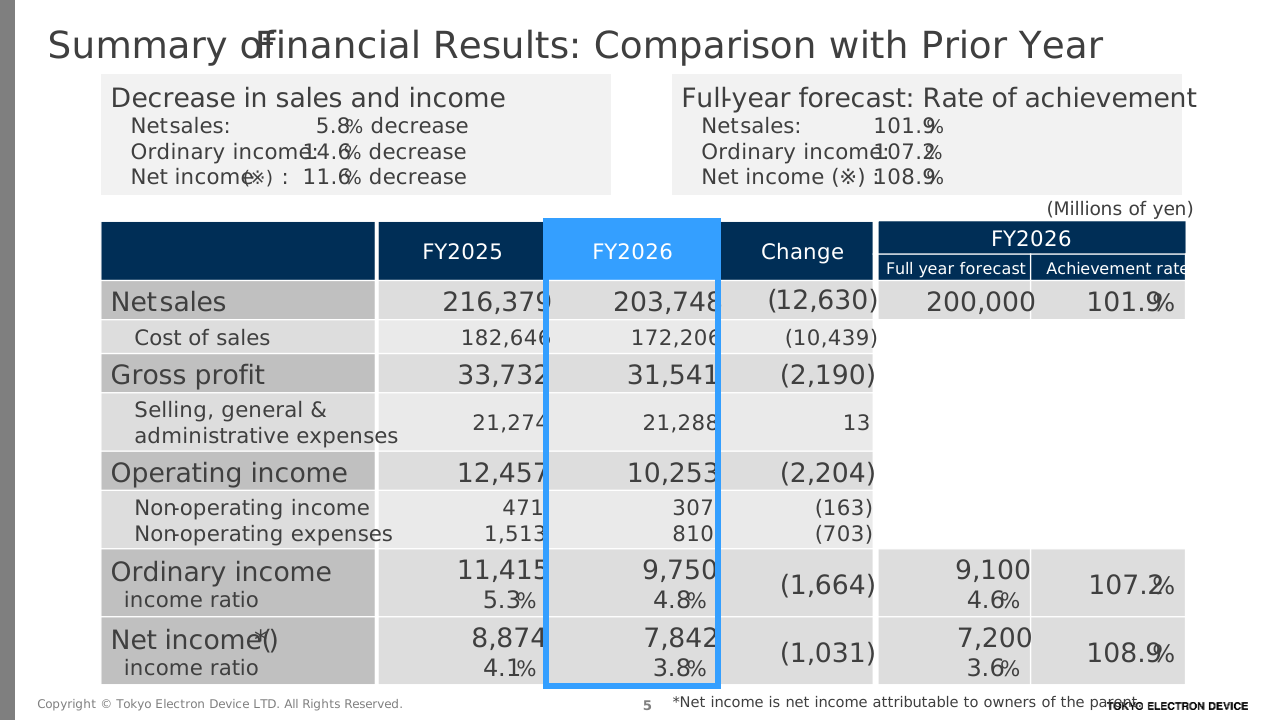
Net sales amounted to JPY 203.748 billion, representing a decrease of JPY 12.63 billion, or 5.8%, compared with the previous fiscal year.
Ordinary income was JPY 9.75 billion, down JPY 1.664 billion, or 14.6% year on year.
Net income attributable to owners of the parent totaled JPY 7.842 billion, a decrease of JPY 1.031 billion, or 11.6%, compared with the previous year.
Compared with the full-year forecast, net sales reached 101.9% of the forecast of JPY 200.0 billion, ordinary income reached 107.2% of the forecast of JPY 9.1 billion, and net income attributable to owners of the parent reached 108.9% of the forecast of JPY 7.2 billion.
As mentioned in our report on third-quarter results, we recorded extraordinary income from the sale of all shares held in Fidus Systems, an equity-method affiliate.
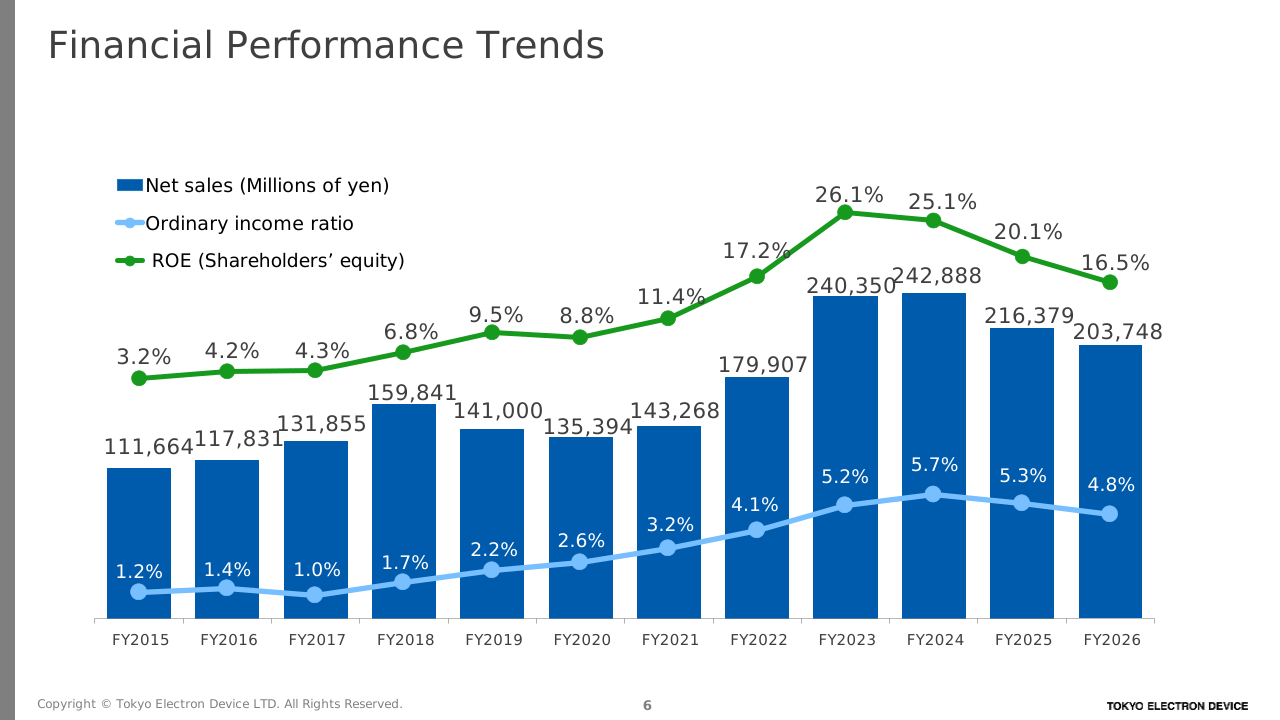
As shown in the performance trend, results peaked in the fiscal years ended March 31, 2023 and 2024, followed by two consecutive years of declining sales and income in the fiscal years ended March 31, 2025 and 2026.
For the fiscal year ended March 31, 2026, the ordinary income ratio was 4.8%, and ROE was 16.5%.
This slide shows sales and income by segment.
In the CN business, steady IT investment by customers led to increased sales and income.
Net sales rose 10.4% year on year to JPY 41.204 billion, while segment income increased 24.2% to JPY 6.542 billion, resulting in a segment income ratio of 15.9%.
In contrast, the EC business experienced decreased sales and income due to prolonged inventory adjustments across the supply chain. Net sales declined 9.2% year on year to JPY 162.543 billion, while segment income fell 47.8% to JPY 3.208 billion, with a segment income ratio of 2.0%.
I will now explain the situation in each segment.
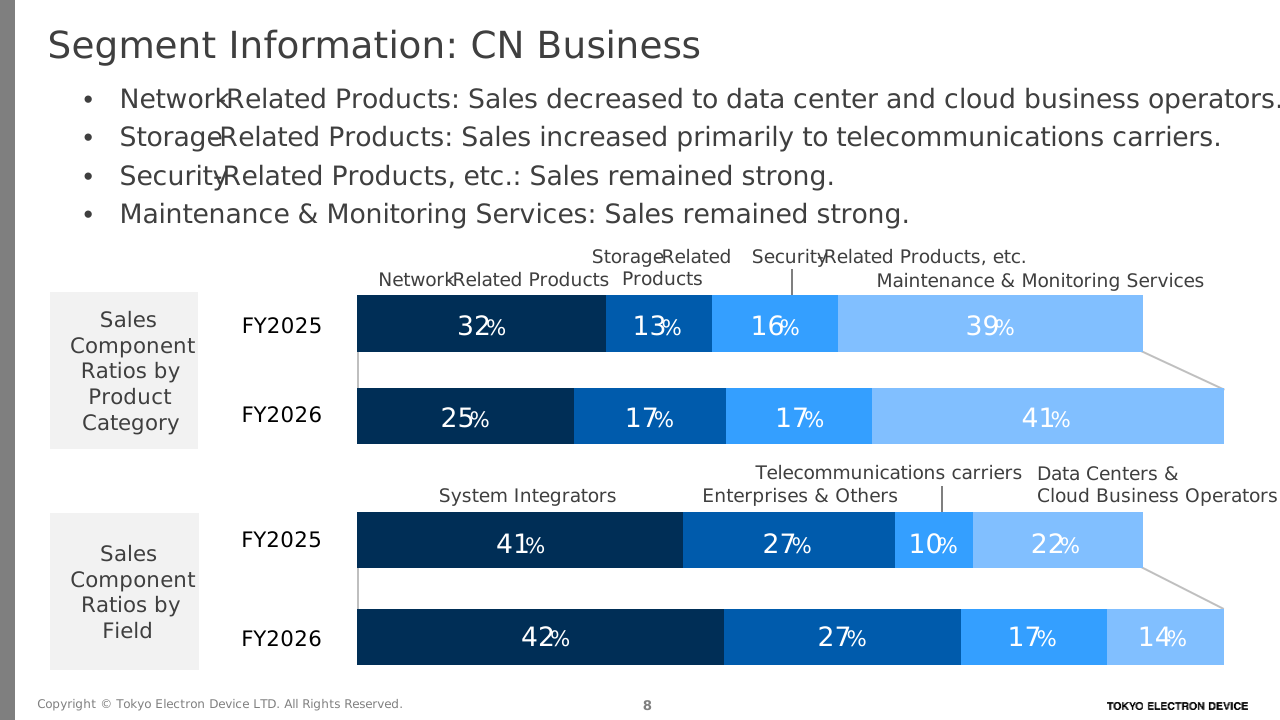
In the CN business, sales of network-related products declined to data centers and cloud business operators.
On the other hand, sales of storage-related products increased, mainly to telecommunications carriers. In addition, security-related products as well as maintenance and monitoring services performed favorably.
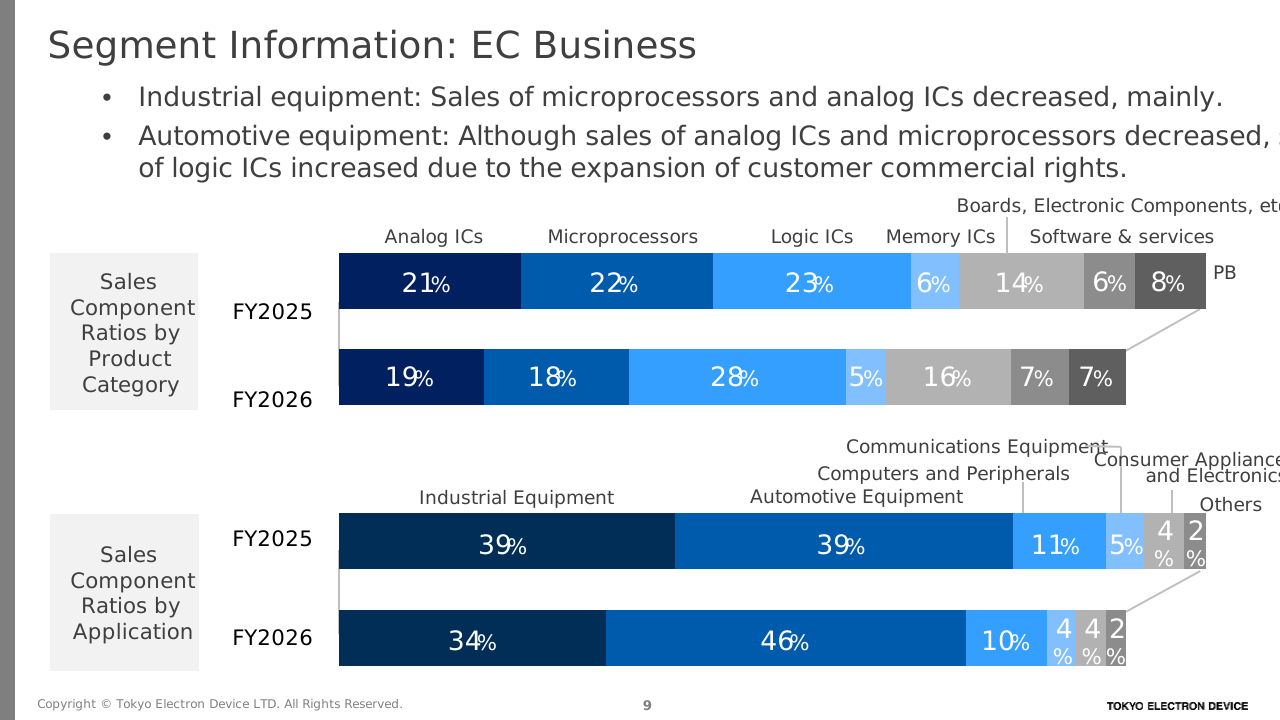
In the EC Business, performance was generally sluggish across all applications. For automotive equipment, sales of logic ICs increased due to expanded customer commercial rights, but sales of micro processors and analog ICs declined due to the prolonged impact of customer inventory adjustments, resulting in overall sales remaining at the same level as the previous period.
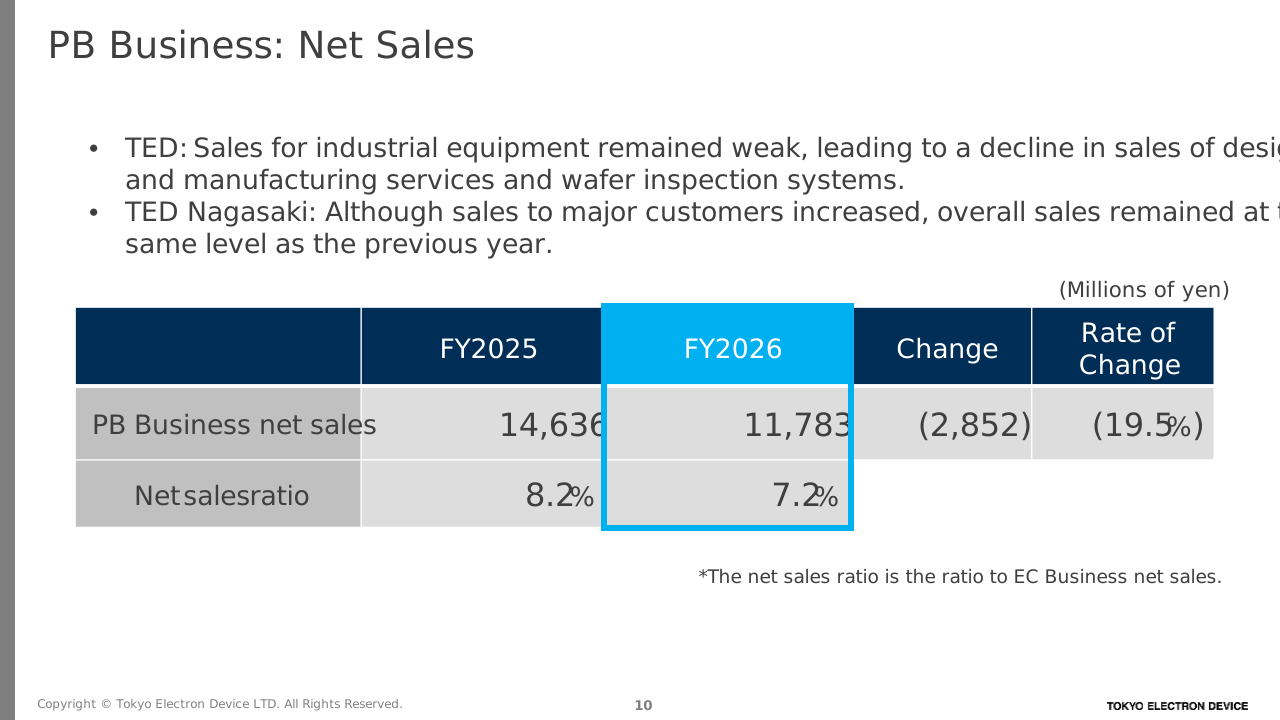
In the PB business, net sales decreased 19.5% year on year to JPY 11.783 billion.
At Tokyo Electron Device, sales for industrial equipment were sluggish, with declines in both contracted design and manufacturing services and wafer inspection systems.
At Tokyo Electron Device Nagasaki, sales to major customers increased, but overall sales remained at approximately the same level as the previous fiscal year.
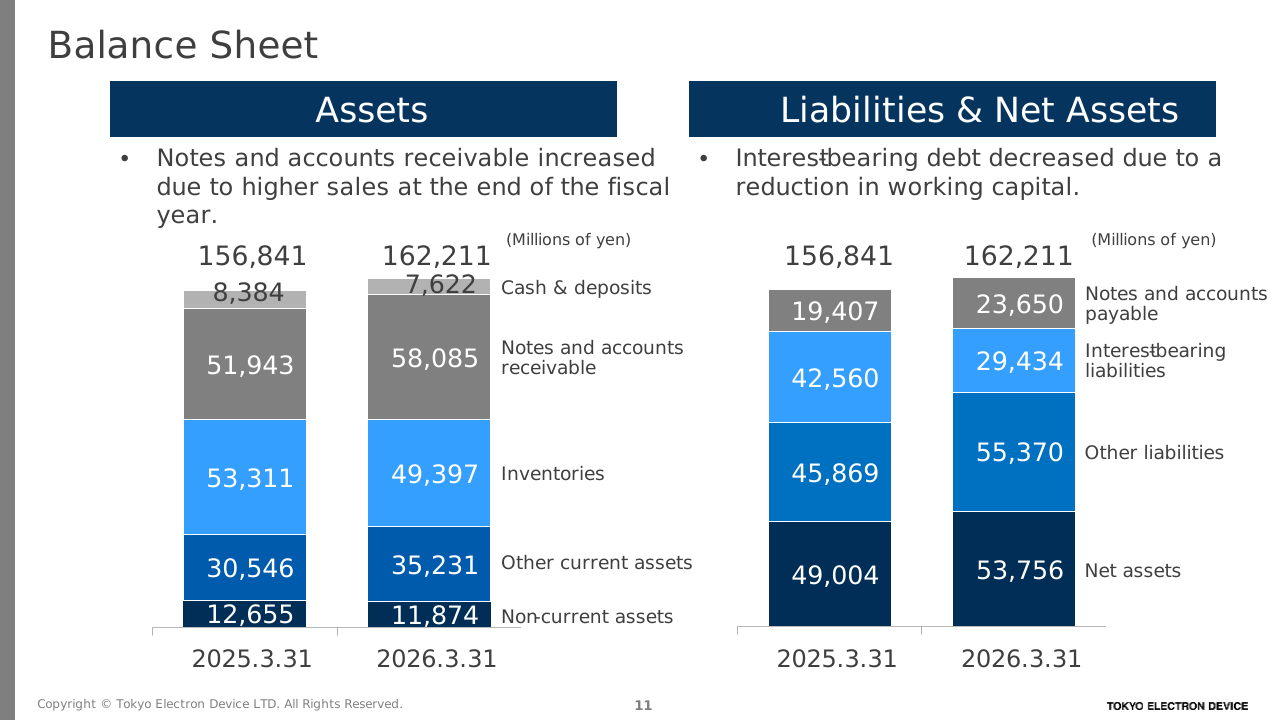
Total assets amounted to JPY 162.211 billion, an increase of approximately JPY 5.4 billion from the end of the previous fiscal year.
In terms of assets, notes and accounts receivable increased due to a high volume of deliveries toward the fiscal year-end. In addition, maintenance services grew in the CN business and prepaid expenses increased, resulting in increase in other current assets.
In terms of liabilities and net assets, interest-bearing debt declined as we proceeded with loan repayments in line with reduced working capital requirements.
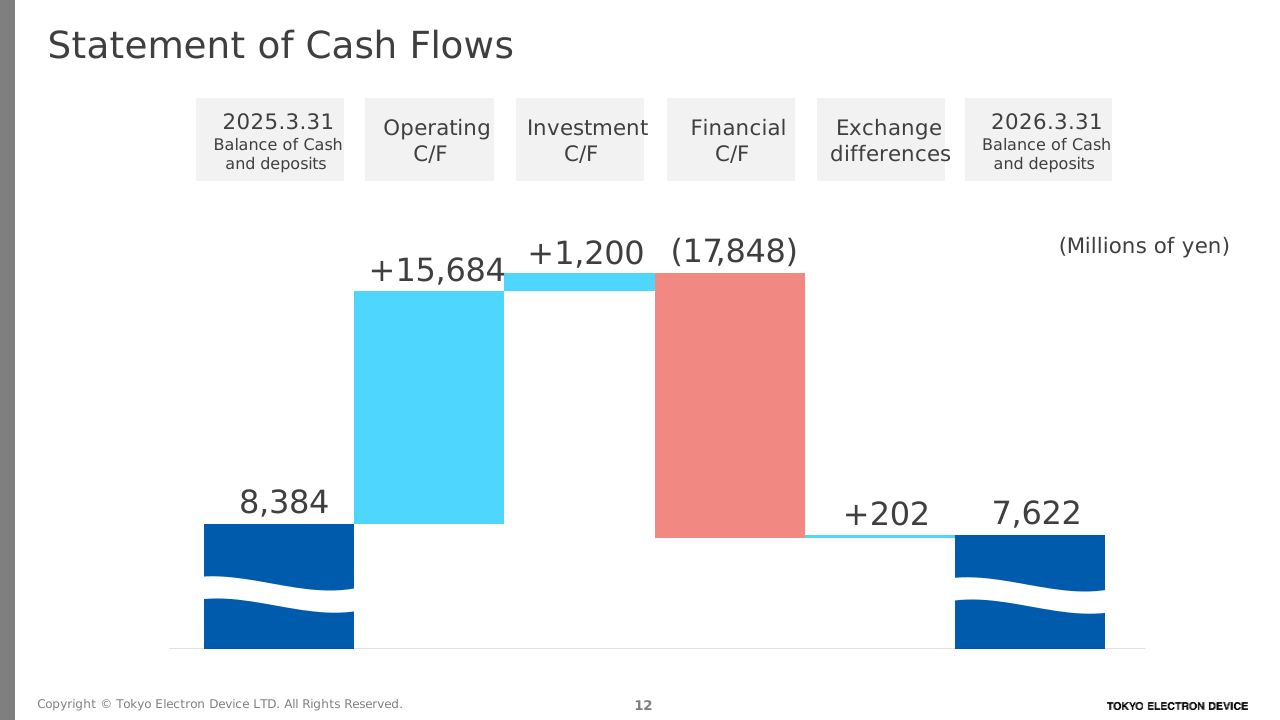
Here is the cash flow situation.
Operating cash flow was positive.
Investing cash flow was positive as a result of the sale of shares in Fidus Systems.
Financing cash flow was negative due to loan repayments and dividend payments.
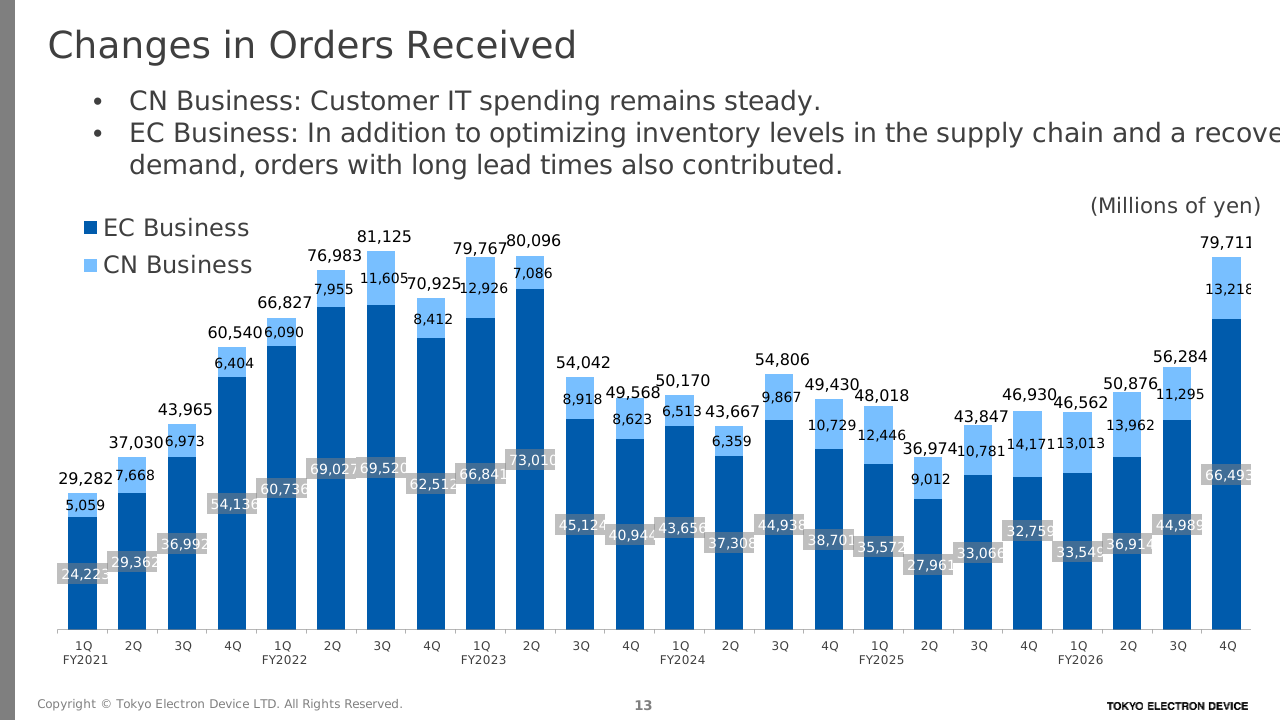
The orders received in the fourth quarter amounted to JPY 79.711 billion, bringing total full-year orders to approximately JPY 233.4 billion, an increase of approximately JPY 57.6 billion year on year.
The CN business continued to perform steadily. In the EC business, optimization of inventory levels in the supply chain, a recovery in demand, and long-lead-time orders contributed to growth.
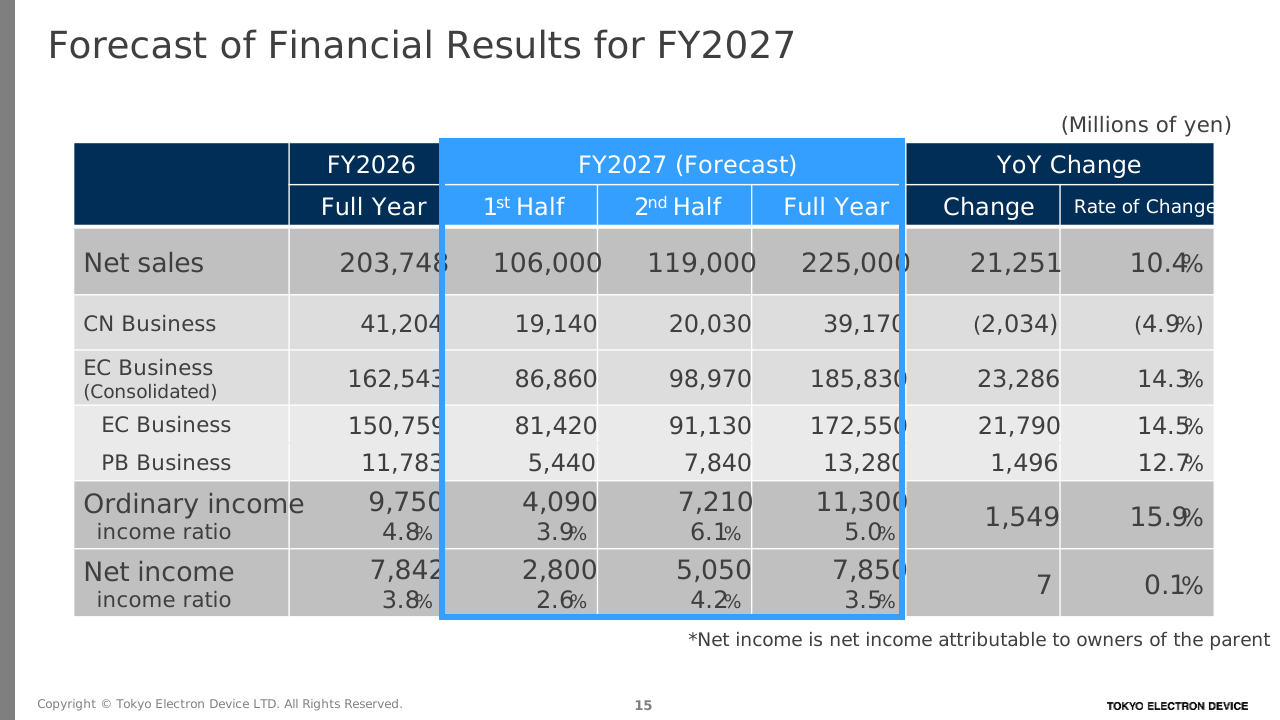
For the fiscal year ending March 31, 2027, we forecast net sales of JPY 225.0 billion, representing an increase of 10.4% year on year.
In the CN business, due to longer product lead times and a temporary pause in IT investment by major customers, we expect net sales to decline 4.9% year on year to JPY 39.17 billion.
In contrast, consolidated EC business sales are expected to increase 14.3% to JPY 185.83 billion, supported by strong order intake.
We plan ordinary income of JPY 11.3 billion, with an ordinary income ratio of 5.0%, and net income attributable to owners of the parent of JPY 7.85 billion.
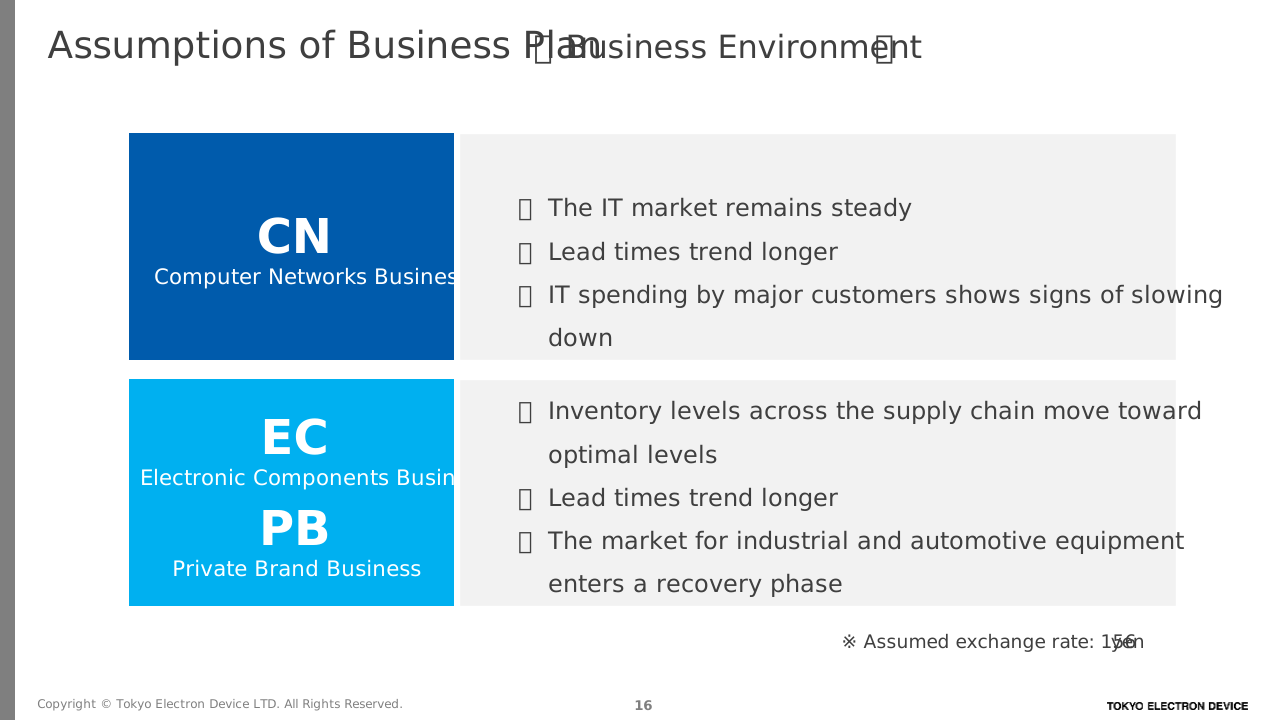
Here is the outline of the business plan assumptions and business environment.
In the CN business, we expect the IT market to remain strong. As previously explained, inventory levels across the supply chain in the EC business are moving toward optimal levels. The industrial and automotive equipment markets are also entering a recovery phase.
Meanwhile, driven by increasing demand for AI servers, supply-demand imbalances are emerging in memory and NAND, resulting in noticeably longer lead times not only for electronic devices, but also for servers, networks, and storage.
In addition, as IT investment by major customers is not expected to continue indefinitely, we assume a temporary moderation in the CN business.
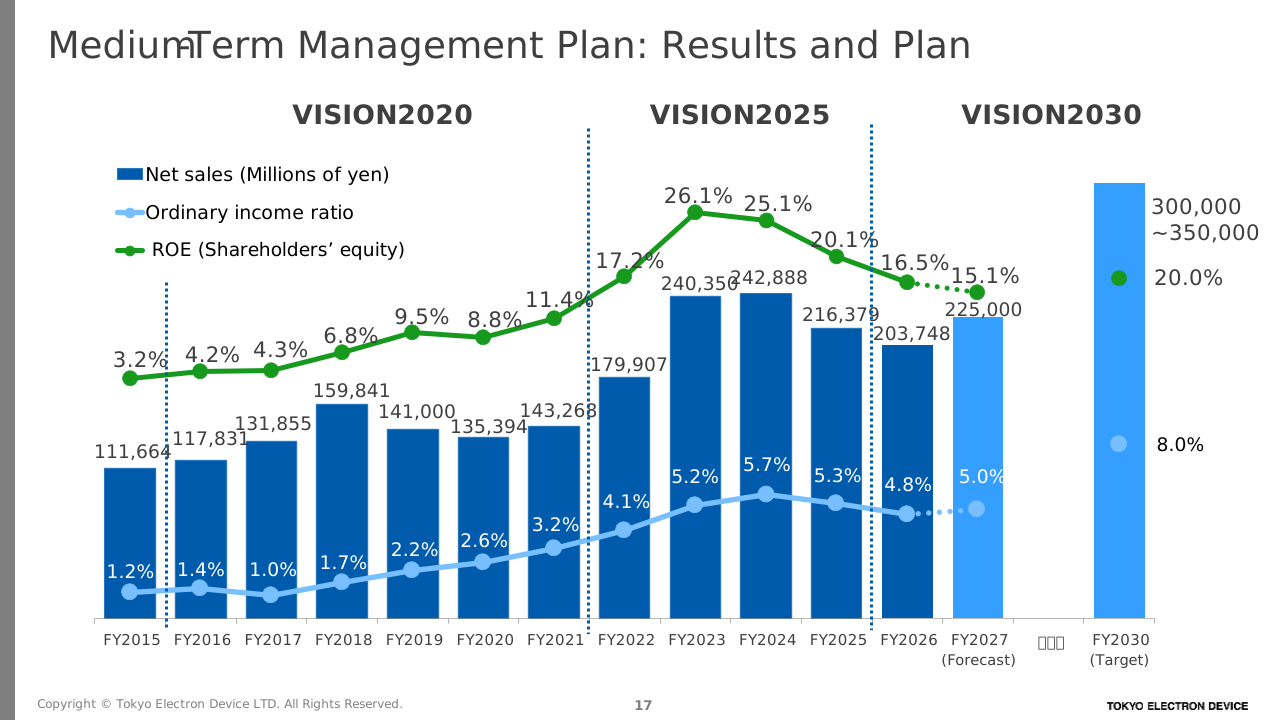
This slide presents actual results and targets under our medium-term management plan. The right-hand side shows target figures under VISION 2030. For the fiscal year ending March 31, 2027, we will strive to achieve the figures presented earlier.
We aim to improve the ordinary income ratio from 5.0% in FY2027 to 8.0% by FY2030, and accordingly profitability enhancement set out under our medium-term management plan is a critical issue.
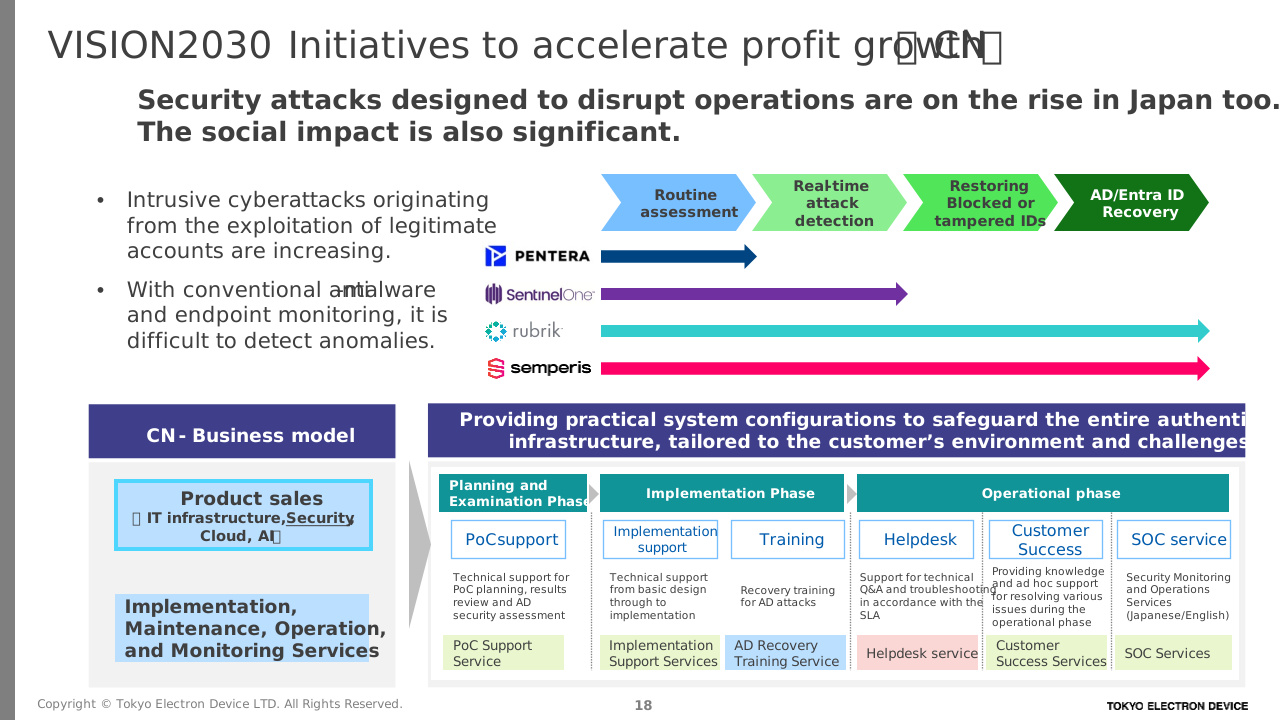
To achieve this, it is necessary to promote promising businesses within each division that accelerate margin expansion and profit growth. I will share two such initiatives.
First, the CN business. Last year, there were large-scale cyberattacks disrupting the entire supply chain, and such threats continue to persist, placing many companies at risk.
A particularly prominent threat involves unauthorized access using stolen employee IDs and passwords, allowing attackers to infiltrate corporate networks as legitimate users. In many cases, attackers remained undetected, ultimately deleting antivirus software and server data backups.
As a result, protecting IDs and accounts has become a critical focus. Many companies use identity-related products such as Microsoft Active Directory, Microsoft Entra ID, and SaaS solutions like Okta.
In addition to assessments during normal operations and real-time detection during attacks, companies must also prepare for partial or full recovery in the event data is compromised.
In the CN business, we offer solutions such as Pentera, SentinelOne, Rubrik, and Semperis, each providing distinct functionality. By leveraging these solutions in accordance with customer requirements, we aim to deliver comprehensive protection for identity platforms.
Furthermore, beyond product offerings, we are strengthening our service capabilities by providing a full lineup of services—from pre-implementation validation to monitoring customer IDs—ensuring a secure and reliable environment for our customers.
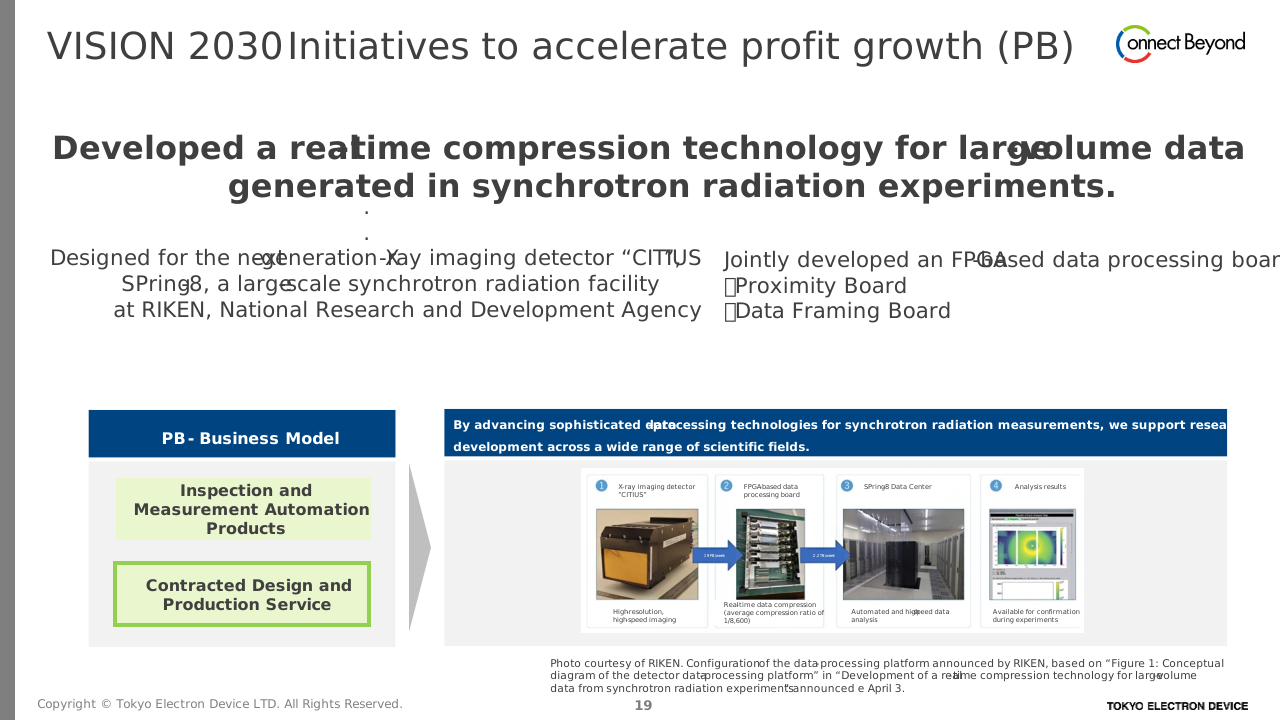
Next, I will discuss the PB business. The PB business provides in-house inspection and measurement systems, as well as contracted design and manufacturing services.
Many customers for contracted design and manufacturing services do not publicly announce their details, so we rarely mention them. However, on April 3, 2026, RIKEN issued a press release referring to them as research results, which we would like to share here.
This case involves the X-ray image detector CITIUS, used at the large-scale synchrotron radiation facility SPring-8.
CITIUS, which is a device created by the customer, generates 27 gigabytes of data per second, totaling as much as 19 petabytes per week, making real-time processing and verification extremely challenging.
To address this, we jointly developed an FPGA-based data processing board that processes and compresses the data generated by CITIUS by approximately 1/8,600, enabling transmission to data centers and allowing analysis results to be reviewed during experiments.
Future expectations are described in the RIKEN press release, which we encourage you to review.
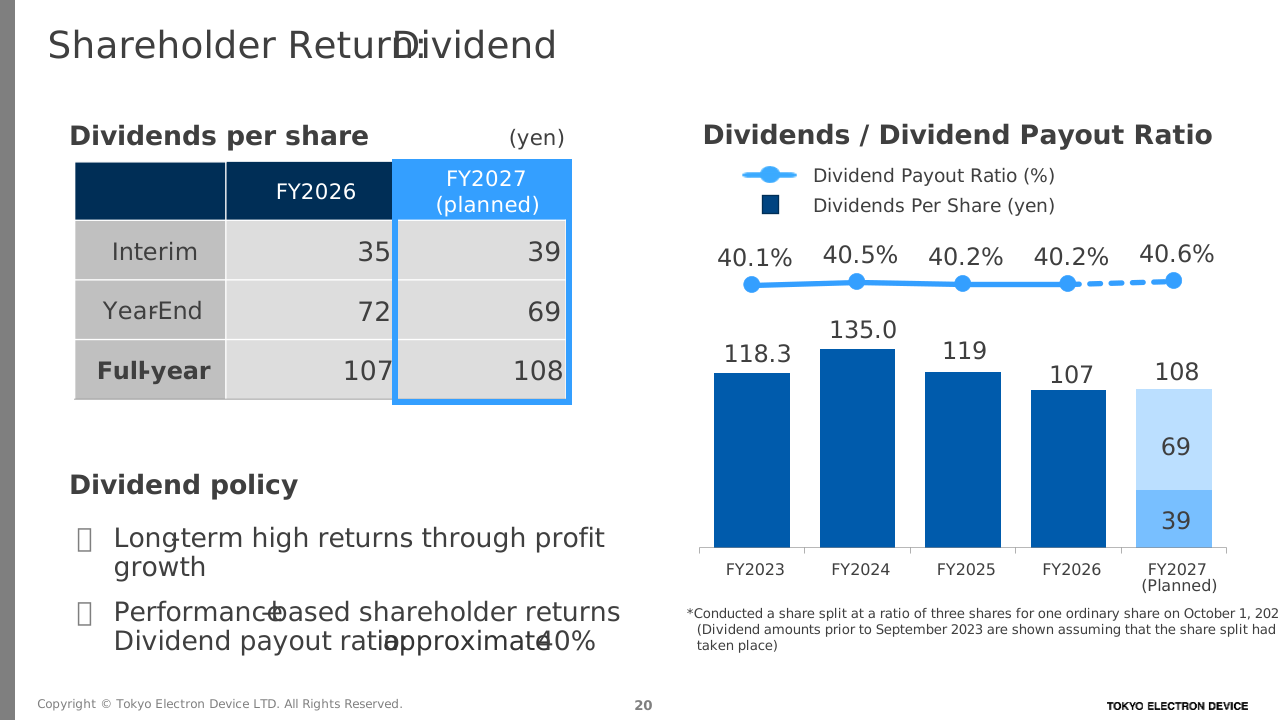
Regarding shareholder returns, the annual dividend for the fiscal year ended March 31, 2026, was set at JPY 107 per share, consisting of an interim dividend of JPY 35 and a year-end dividend of JPY 72, which is an initially planned JPY 64 plus an additional JPY 8.
Our basic policy is to target a dividend payout ratio of approximately 40% as performance-based shareholder returns.
For the fiscal year ending March 31, 2027, we plan an interim dividend of JPY 39 and a year-end dividend of JPY 69, resulting in an annual dividend of JPY 108 per share and a payout ratio of 40.6%.
This concludes my presentation. Thank you very much for your attention.